
The Digestive Fire and Its Clinical Analysis in NT report
The Digestive Fire and Its Clinical Analysis in NT report
 Vaidya Tejaswini Bhale
The word Agni itself denotes fire. In Ayurveda, Jatharagni represents the digestive capacity of an individual. In modern terminology, it can be correlated with digestion, metabolism, and overall metabolic health. Proper functioning of Agni is considered the foundation of good health.
Types of Agni:
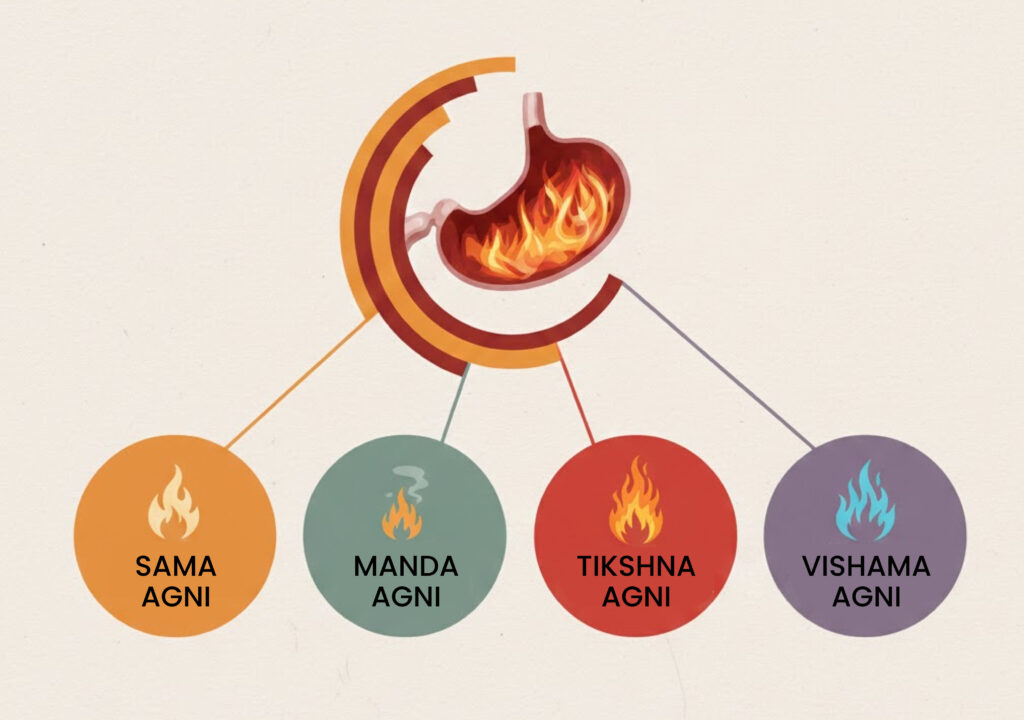
While analyzing Agni, it is classified into four main states:
- Mandagni – weak digestive fire, poor digestion and metabolism
- Tikshnagni – excessive digestive fire, intense hunger and fast metabolism
- Vishamagni – irregular appetite and digestion
- Samagni – balanced digestion and metabolism, indicating good health
How to Analyse Agni from the Report Card
When we receive an Agni number or report, it should never be interpreted in isolation. Proper analysis requires correlation with multiple factors.
1. Comparison with Prakruti
The first and most important step is to compare Agni with the Prakruti (constitutional type) of the individual.
Kapha Prakruti generally shows Mandagni
Pitta Prakruti tends to have Tikshnagni
Vata Prakruti commonly presents with Vishamagni
If the Agni status matches the individual’s Prakruti, it can be considered physiological and acceptable.
2. Time of Nadi Pariksha (Prahar Consideration)
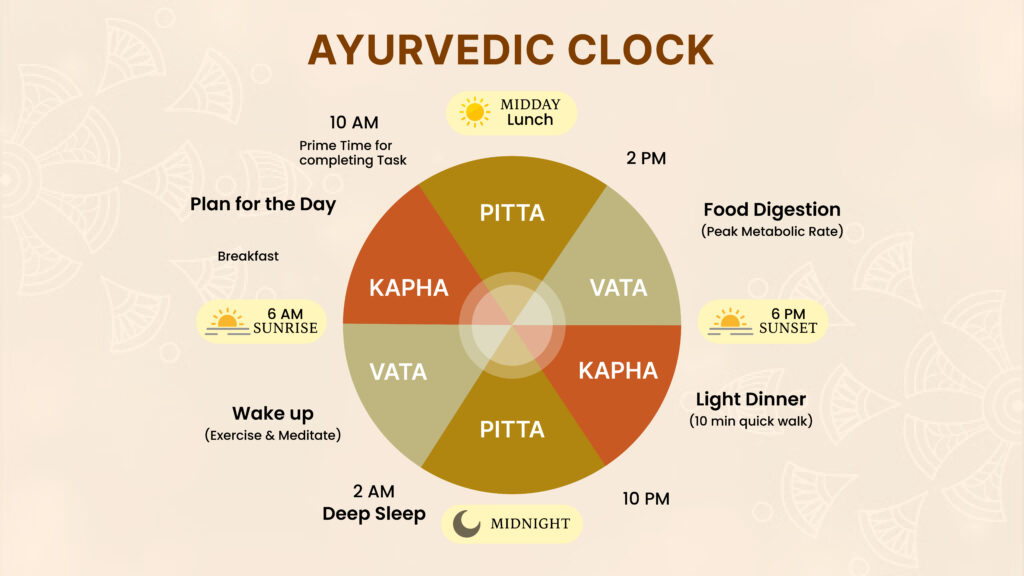
The second factor to consider is the time of Nadi Pariksha
Early morning (Kapha kala)
- Agni may appear low or moderate; this is the ideal time for Nadi Pariksha
Midday (Pitta kala)
- Agni usually appears stronger or Tikshna, as digestion is at its peak Post-lunch or evening
- Agni assessment may vary based on food intake
Therefore, the timing of examination plays a crucial role in Agni interpretation.
3. Pattern Observation Across Visits
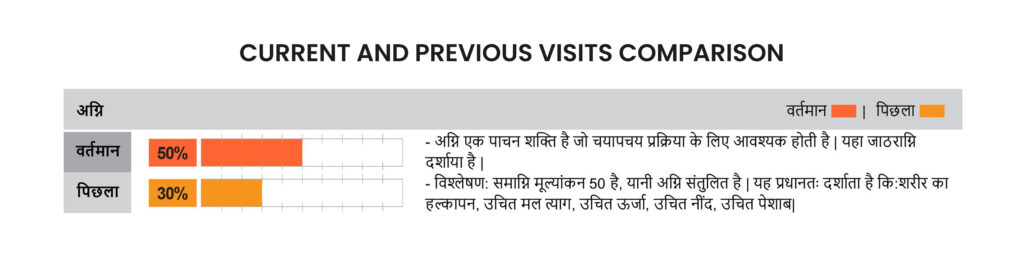
If across different visits: Find out Vishamagni
- Sometimes Agni appears Mandagni
- Sometimes Tikshnagni
- Sometimes Samagni
Then it indicates a *pattern*, not a single isolated reading. This helps in deeper clinical understanding.
4. Nadi gati Vikruti Correlation (Disease symptoms State)
Nadi gati vikriti Sarpa gati or manduk or hansa gati that is described in the Nadi analysis. Based on that if Nadi is showing sarpa and manduk gati as vikruti we can consider it as an imbalance of Agni like vishamagni or tikshnagni. If Nadi gati is showing hansa manduk gati then it is also an imbalanced state leading to Mandagni. Now if nadigati is only Manduka then Agni may show as tikshna Agni also we will correlate qualities which are given as tikshna and laghu in the next part of the report card.
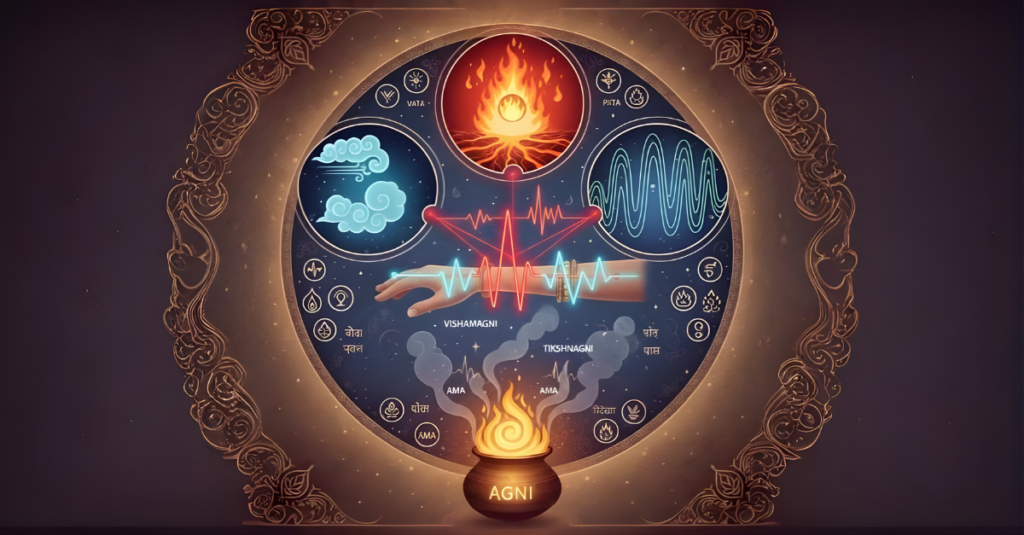
The most important aspect is to correlate Agni with Vikruti (current imbalance)
- If Agni findings do not match Prakruti,
- And also do not align with time and pattern,
Then it should be considered a pathological state requiring immediate intervention.
Improper Agni leads to:
- Improper Dhatu formation
- Formation of Ama (undigested food/toxins)
- Initiation of disease process
5. Agni, Pitta Dosha and Tejas Mahabhuta
Agni shares similar qualities with Pitta Dosha and Tejas Mahabhuta. Hence, Agni analysis should always include the Guna (qualities) observed in the Nadi report.
6. Important Gunas to observe:
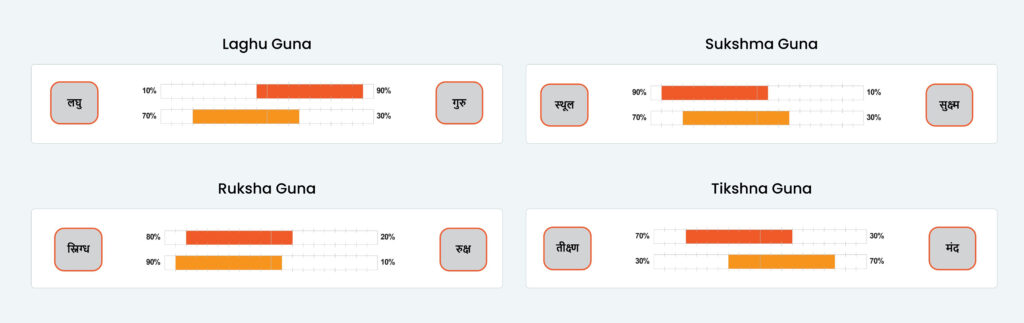
- Tikshna Guna
- Laghu Guna
- Ruksha Guna
- Sukshma Guna
If Nadi shows Tikshnata and Laghu Guna, it indicates Agni is moderate to high, supporting Tikshnagni assessment.
The role of Pachak pitta and samana vayu Together is also important to consider.
Agni does not function alone. Pachak pitta and samana vayu support digestion.
Common Gunas between Agni , pitta and Vata
- Tikshna
- Laghu
- Ruksha
- Sukshma
These Gunas should also be considered while evaluating Agni parameters.
7. What to avoid?
- Don’t do nadi Pariksha after heavy meals
- Don’t do nadi analysis immediately after any exercise
8. Final Clinical Approach
While analysing Agni, we must always consider:
- Prakruti
- (Prahar) of Nadi Pariksha
- Nadi gati – Vikruti
- Gunas of Agni and Pitta Dosha
- Pattern across multiple visits
Based on this comprehensive analysis, we can accurately assess the **state of digestion and metabolism** and plan appropriate treatment for better patient outcomes.
Author: Vaidya Tejaswini Bhale (Ayurvedacharya, Nadi Pariksha Expertise)